When you rely on high-voltage testing equipment, accuracy isn’t optional — it’s everything. A miscalibrated hipot tester can pass faulty insulation or flag perfectly good equipment, and neither outcome is acceptable. Understanding how these devices work, why they drift, and when to call in a professional service could mean the difference between compliance and costly failure. What you’ll uncover next might change how you approach electrical safety testing entirely.
How Hipot Testing Actually Works
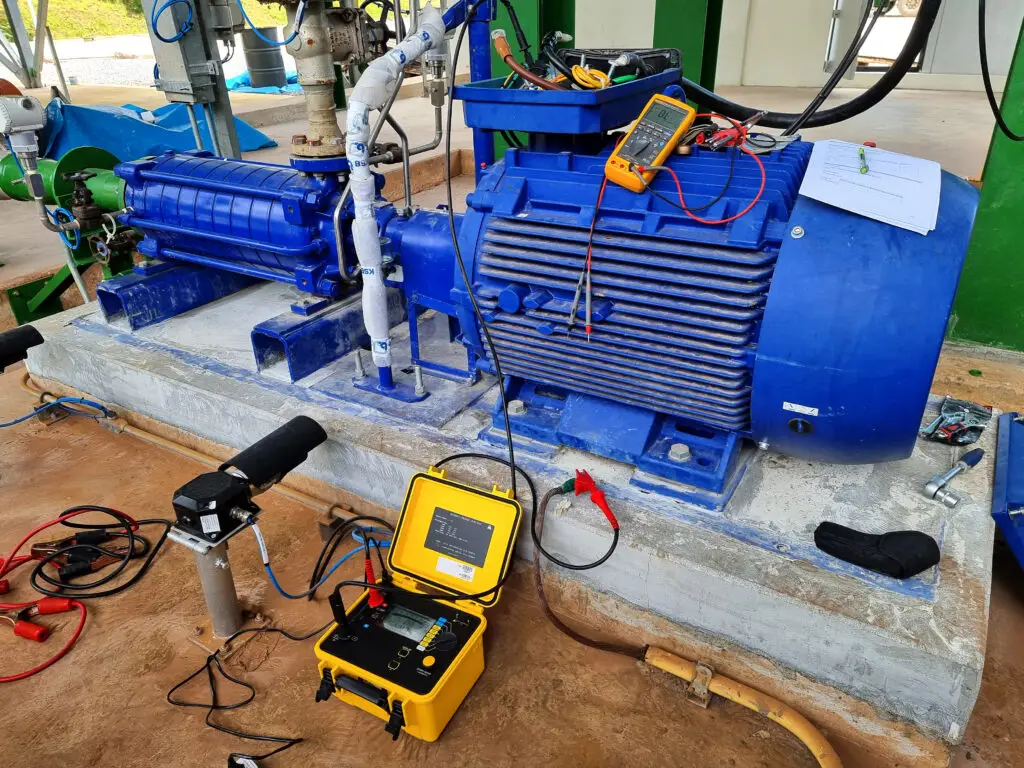
Hipot testing—short for high potential testing—applies a high voltage between a device’s conductive parts and its protective earth or between isolated circuits to stress the insulation beyond normal operating levels.
You’re fundamentally verifying that the insulation’s dielectric strength can handle electrical faults without breaking down. If the insulation fails, the tester detects excessive leakage current and trips the circuit.
Testing standards like IEC 60950 and UL 60950 define acceptable voltage levels and leakage thresholds for different equipment classes.
You’ll encounter both AC and DC hipot methods depending on your application and safety protocols.
Regular equipment maintenance guarantees your hipot tester delivers accurate, repeatable results—keeping your testing process reliable and your workforce protected from potentially dangerous electrical failures.
Why Hipot Testers Lose Accuracy Over Time
Understanding how hipot testers work is only half the equation—you also need to know why these instruments deviate from their original calibration specs. Several common causes accelerate this drift, making regular calibration intervals essential.
Factors that degrade hipot tester accuracy include:
- Component aging – Voltage dividers and capacitors alter values over time
- Environmental impacts – Humidity, temperature fluctuations, and dust compromise internal circuitry
- Mechanical wear – Frequent use degrades high-voltage connectors and trip relays
- Electrical stress – Repeated high-voltage cycles strain internal components
Following proper maintenance tips—like storing units in climate-controlled environments and inspecting cables regularly—extends instrument life.
However, no amount of maintenance replaces scheduled calibration. Without it, you’re trusting inaccurate readings to make critical safety decisions.
What a Complete Hipot Calibration Actually Tests
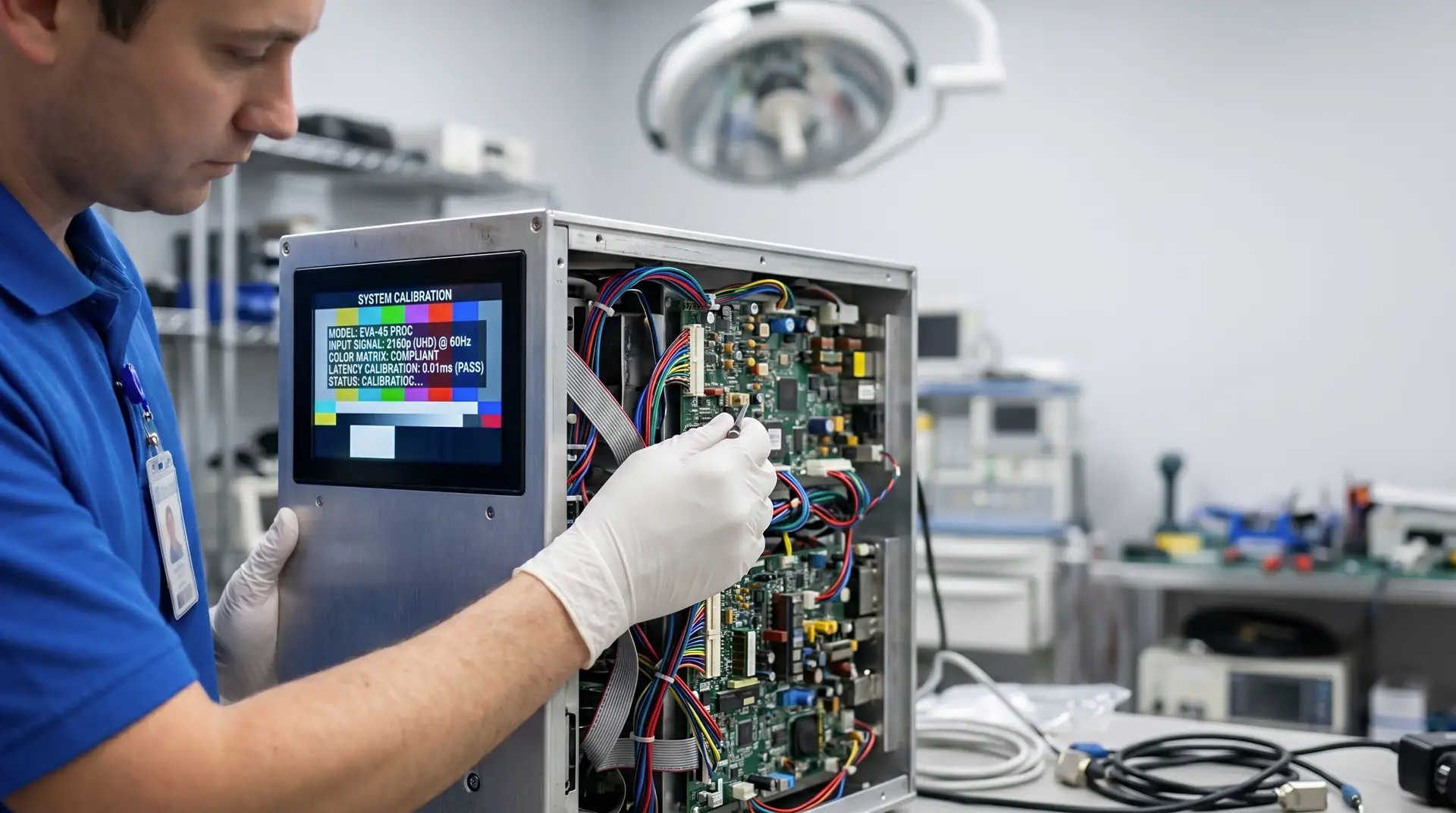
When you send a hipot tester in for calibration, it’s not just a simple voltage check—a complete calibration covers every functional parameter that affects test integrity.
Technicians verify voltage accuracy across your full output range, ensuring the dielectric strength stress applied to your product matches what the display actually reads. Current measurement circuits get tested for precision, since inaccurate leakage readings can mask dangerous insulation failures or trigger unnecessary rejects.
Calibration also confirms that your trip thresholds activate correctly, your timer functions within specification, and your safety compliance outputs respond reliably under load.
Both AC and DC output channels require independent verification. Without testing every parameter together, you can’t trust that your hipot tester is genuinely protecting your products or your team.
When to Use a Professional Hipot Calibration Service
Most facilities can handle basic maintenance in-house, but professional hipot calibration becomes essential in several specific situations. Your testing frequency, service intervals, and compliance requirements determine when outside expertise becomes necessary.
Consider professional calibration when you’re facing:
- Regulatory audits requiring documented proof of calibration standards compliance
- Failed internal verification where voltage accuracy or leakage current readings seem inconsistent
- Safety regulations mandate third-party validation for medical, aerospace, or defense applications
- Extended service intervals have lapsed, leaving calibration traceability gaps in your records
If your equipment supports critical production processes or certifies products for end-user safety, don’t rely solely on internal checks.
A professional calibration service provides accredited documentation, catches measurement drift you might miss, and keeps you in accordance with current industry standards.
Trust EML Calibration for Hipot Testing Equipment Services
Don’t wait until your hipot tester gives you unreliable readings or fails an audit to take action. You’re responsible for keeping your equipment accurate, your team safe, and your compliance records airtight. By scheduling regular hipot calibration and electrical safety testing services, you’ll catch problems early, maintain regulatory standards, and protect both your personnel and your equipment.
EML Calibration offers ISO/IEC 17025:2017 accredited hipot calibration services with NIST traceable voltage and current standards, backed by over 25 years of electrical safety expertise. We verify voltage accuracy, current measurement, timer functions, and trip settings to ensure your dielectric strength testing remains safe and compliant. Contact us today to schedule your hipot calibration and maintain the accuracy and safety your operations demand.