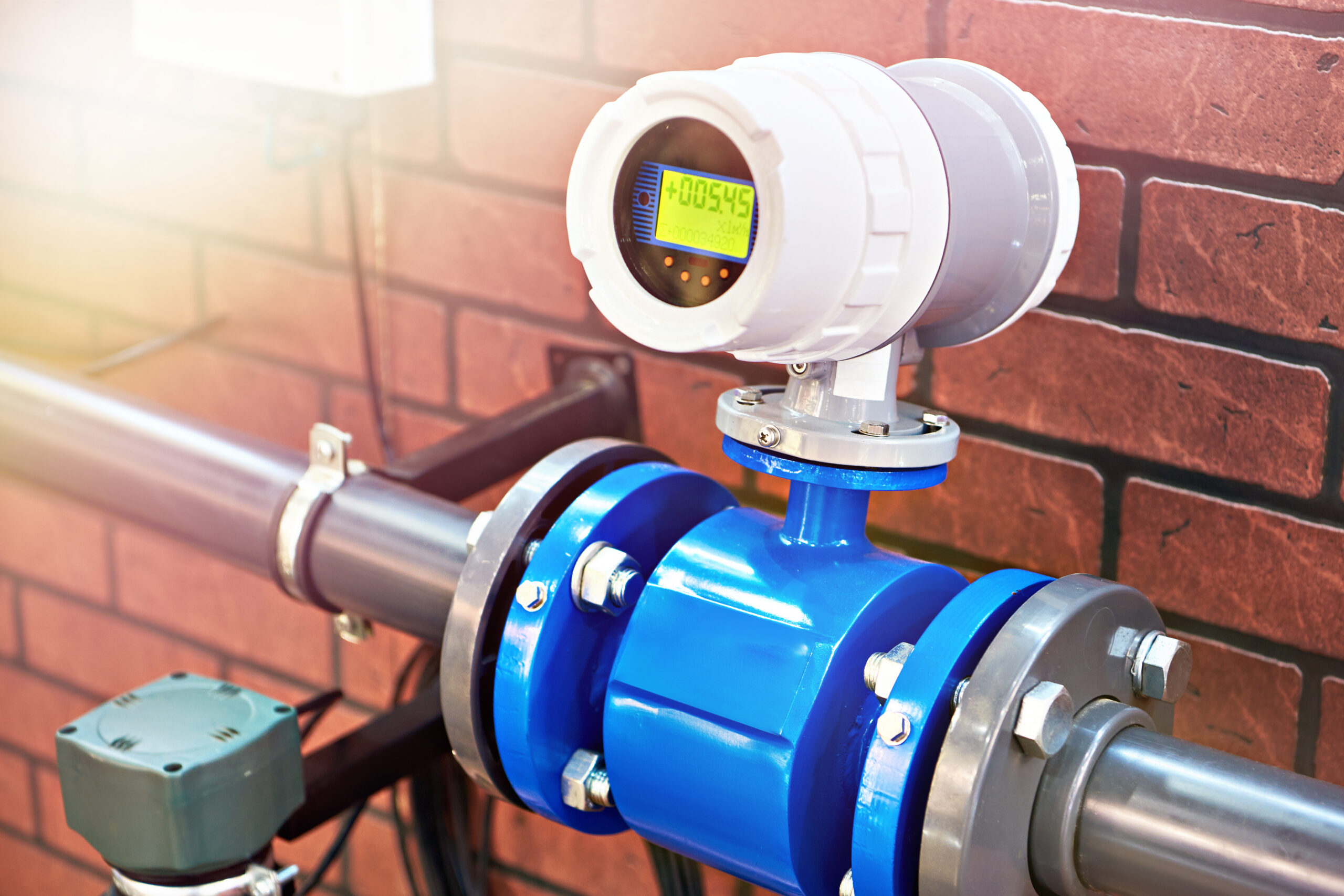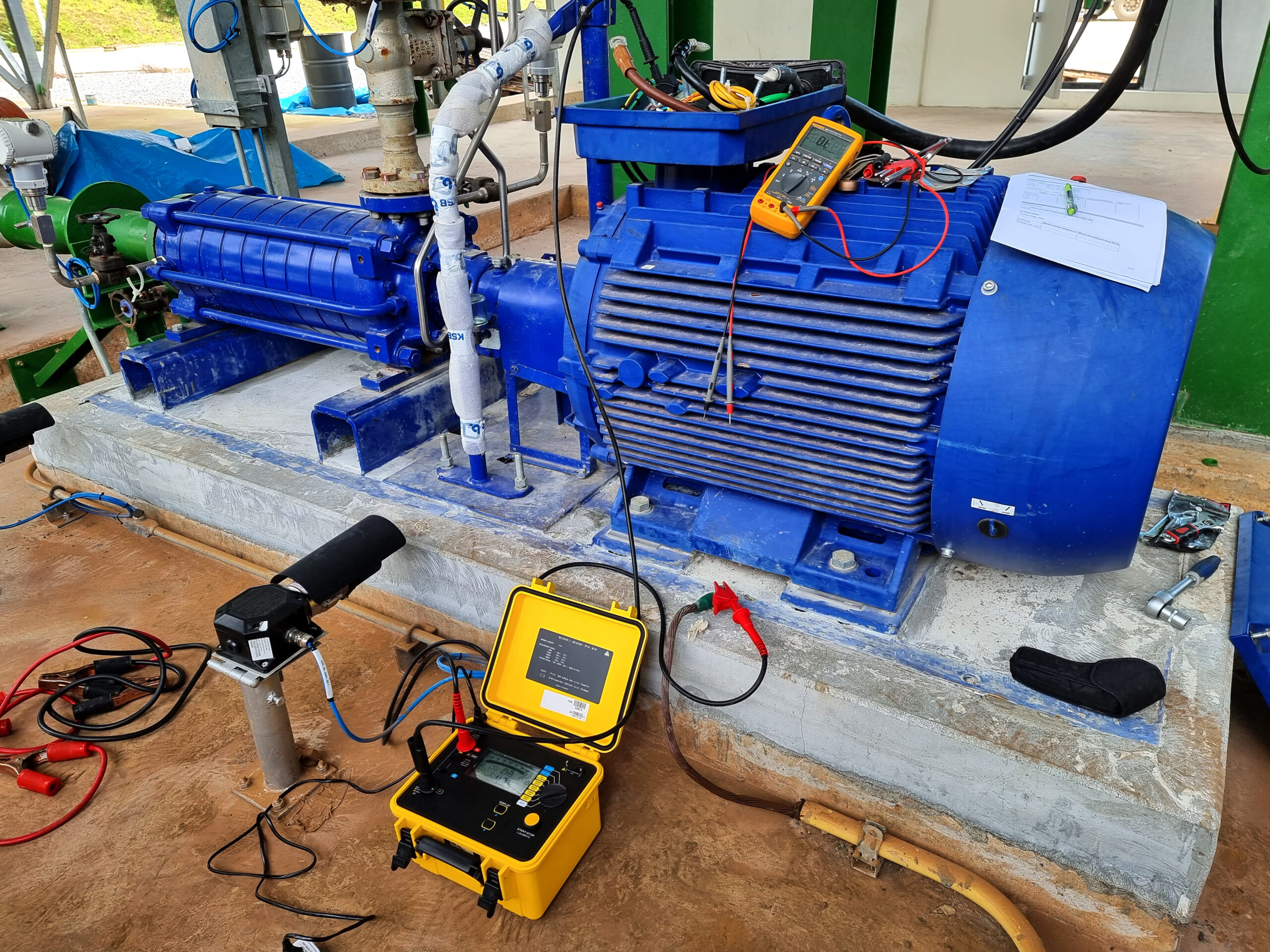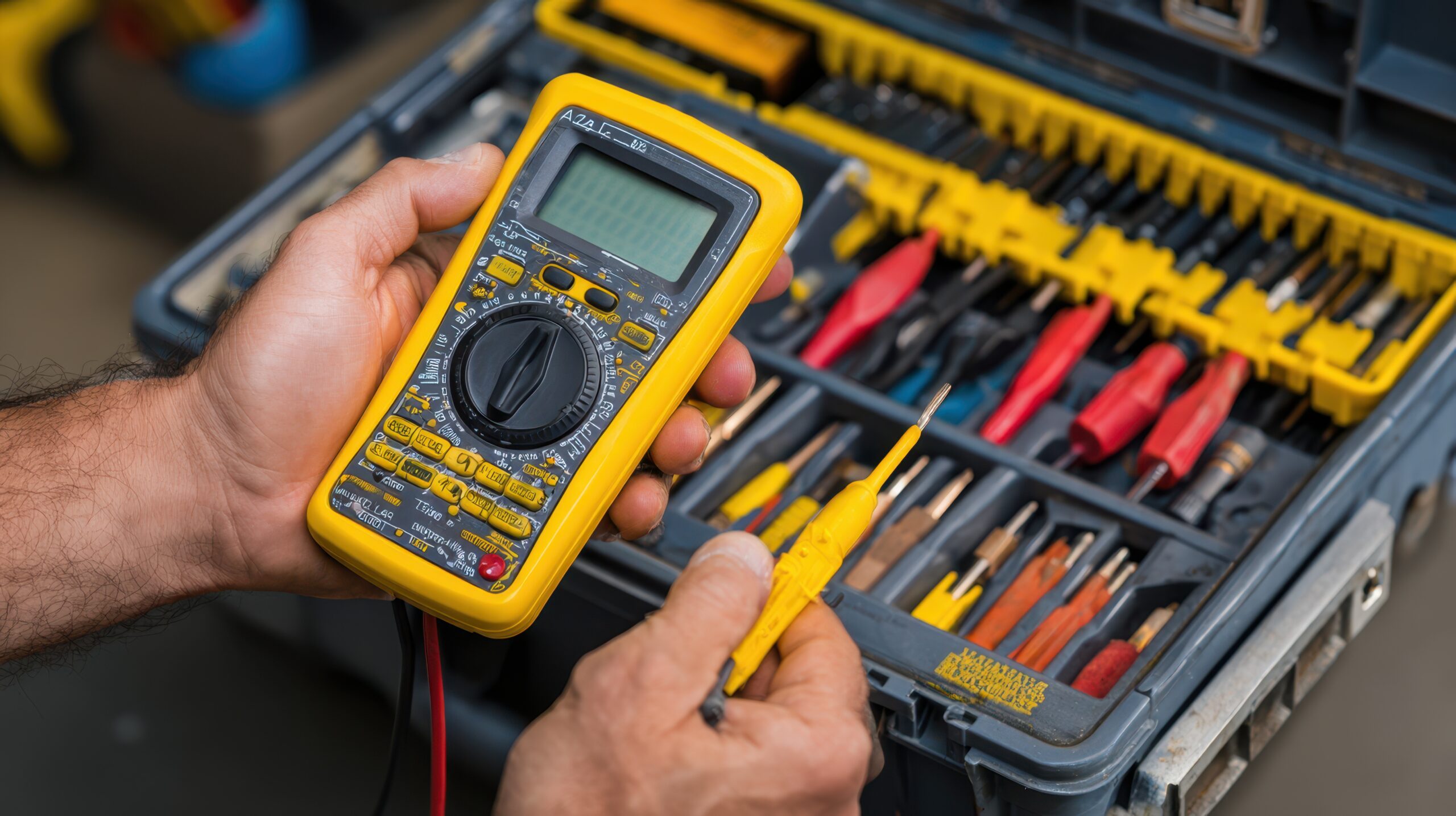
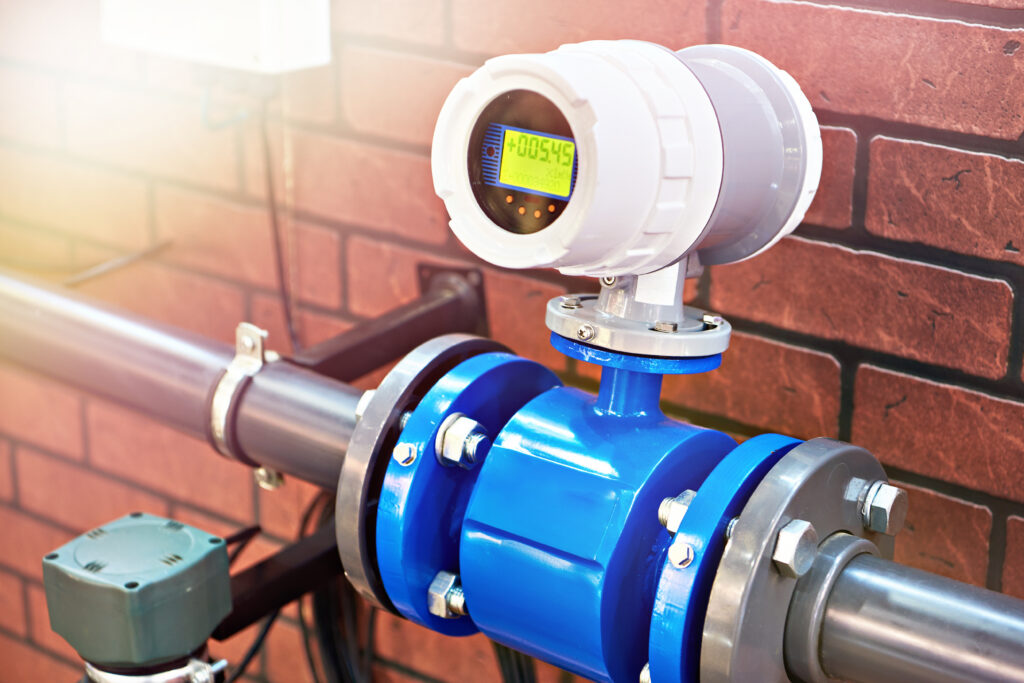
When you work with flow meters, calibration isn’t optional; it’s the difference between reliable data and costly errors. Each measurement technology demands its own approach, and what works for a Coriolis meter won’t apply to an ultrasonic or Venturi system. Fluid properties, installation conditions, and your calibration environment all compound the challenge. If you’re managing any flow measurement system, what follows will change how you approach accuracy.
Why Your Flow Meter Type Determines Its Calibration Method
Each flow meter technology measures fluid movement through a distinct physical principle, and that principle dictates how you must adjust it.
Coriolis advantages include direct mass measurement, making calibration straightforward and highly repeatable.
Venturi limitations arise from fixed geometry, so you can’t easily compensate for fluid viscosity changes without recalibration.
Ultrasonic accuracy depends on signal path integrity, requiring verification against known flow standards at multiple points.
Your calibration frequency should reflect both the technology’s drift tendencies and your application relevance.
A meter measuring custody-transfer natural gas demands tighter intervals than one monitoring non-critical cooling water.
Matching your calibration approach to your meter’s operating principle isn’t optional; it’s what guarantees your measurements stay defensible, traceable, and fit for their intended purpose across changing process conditions.
How Coriolis, Ultrasonic, and Venturi Meters Are Each Calibrated
Coriolis meters are adjusted by running a known mass of fluid through the meter and comparing the meter’s output to a gravimetric or volumetric reference standard. Coriolis calibration techniques target mass flow and density simultaneously, making them highly accurate.
Ultrasonic meter adjustments involve confirming transit-time measurements against a traceable flow standard. Venturi meter precision relies on differential pressure confirmation across fixed geometry.
Here’s what your calibration frequency guidelines should address for each technology:
- Confirm Coriolis zero-point stability before each campaign
- Verify ultrasonic transducer signal strength and path integrity
- Inspect Venturi throat dimensions for erosion or buildup
- Conduct a measurement technology comparison to authenticate cross-meter consistency
Each method demands technology-specific procedures to maintain accuracy and regulatory compliance.
Why Fluid Properties Throw Off Flow Meter Calibration Accuracy
When fluid properties change, they can throw off even a well-adjusted flow meter. Fluid density effects directly impact Coriolis and differential pressure meters, since both rely on consistent mass or pressure relationships.
Viscosity variations alter how fluid moves through the meter, altering readings away from adjusted values. Temperature influences expand or contract internal components and change fluid behavior simultaneously, compounding measurement error.
Pressure changes affect gas compressibility and liquid density, which distorts volumetric readings if you’re not compensating correctly.
Flow turbulence introduces additional instability, particularly in ultrasonic and thermal mass meters that depend on predictable flow profiles.
You need to account for real operating conditions during adjustment, not just ideal lab conditions. Matching adjustment fluid properties to actual process fluids is the most reliable way to maintain accuracy.
How Poor Installation Ruins an Otherwise Accurate Calibration
Fluid properties aren’t the only thing that can undermine your meter’s accuracy; how you install the meter matters just as much. Installation impacts adjustment precision more than most technicians expect. Poor placement disrupts flow consistency before measurement even begins.
Watch for these common installation mistakes:
- Insufficient straight-pipe runs upstream or downstream create turbulence that distorts readings.
- Improper orientation misaligns the meter with actual flow direction, skewing data.
- Vibration and mechanical stress from nearby equipment alters baseline readings.
- Ignoring manufacturer setup guidelines leaves your system vulnerable to systematic errors.
Following proper setup guidelines and consistent maintenance practices keeps your adjustment valid long after the technician leaves.
A perfectly adjusted meter installed incorrectly still delivers bad data; installation discipline isn’t optional.
Field vs. Lab Calibration: Which Does Your Flow Meter Need?
Where you adjust your flow meter matters as much as how you adjust it. Field calibration benefits include minimal downtime, no removal costs, and real operating conditions that reflect actual system behavior.
If your process fluid, temperature, or pressure varies greatly from lab conditions, field calibration often produces more representative results.
However, lab calibration accuracy surpasses field work when your meter requires precise reference standards, controlled environments, or multi-point verification across wide flow ranges.
Cost considerations favor field calibration for large, difficult-to-remove meters, while lab settings reduce labor time for smaller units.
Convenience factors and technology compatibility also drive the decision.
Coriolis and ultrasonic meters often travel well to labs, while large Venturi or thermal mass installations typically demand on-site service.
Choose based on your specific operational priorities.
Trust EML Calibration for Flow Meter Services Across All Technologies
When it comes to flow meter calibration, you’ve seen that your meter type, fluid properties, and installation conditions all play a critical role in measurement accuracy. You’ll need to decide between field and lab calibration based on your specific application. By understanding these factors, you can maintain reliable performance across any measurement technology and keep your flow measurement system operating at peak accuracy.
EML Calibration delivers ISO/IEC 17025:2017 accredited flow meter calibration for Coriolis, Venturi, ultrasonic, thermal mass, and rotameter technologies, backed by over 25 years of flow measurement expertise and NIST traceable standards. We offer both field and laboratory calibration services to match your operational needs, minimizing downtime while maximizing accuracy.
Contact us today to schedule your flow meter calibration and ensure your measurements remain reliable and defensible across all operating conditions.