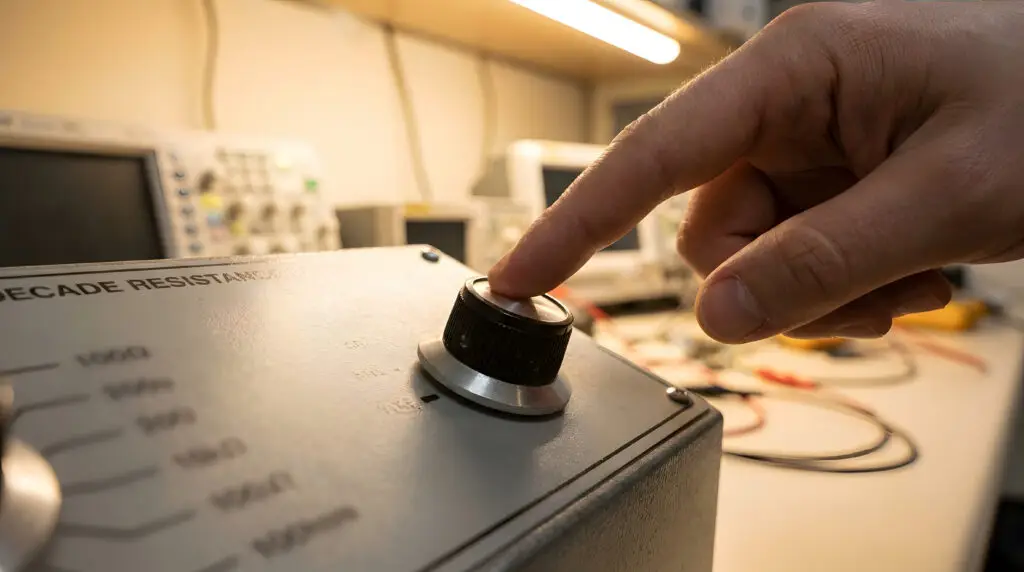
Preparing your equipment for calibration the right way can mean the difference between smooth compliance and costly delays you never saw coming.
Calibration keeps your measurements accurate and your operations compliant, but how you prepare your equipment beforehand determines whether the process goes smoothly or hits unnecessary delays. Skip the right steps, and you’re looking at rejected equipment, extended downtime, or compromised results. This checklist walks you through everything you need to do before your equipment reaches a calibration technician, so nothing gets missed and nothing slows you down.
Why Calibration Preparation Prevents Delays and Rejected Equipment
When you send equipment to a calibration lab without preparation, you risk delays, additional fees, or outright rejection before the work even begins. Understanding calibration importance means recognizing that labs operate on tight schedules and won’t accept contaminated, damaged, or undocumented equipment without consequences.
Preparation benefits go beyond simply avoiding rejections. When your equipment arrives clean, documented, and ready, technicians can begin work immediately, which directly supports operational efficiency and reduces the downtime impact on your production or testing workflows.
Equipment reliability depends on consistent, uninterrupted calibration cycles. Every delay pushes back your compliance timelines and increases the risk of using instruments that fall outside acceptable tolerances.
Taking time to prepare your equipment properly before it leaves your facility keeps those cycles on track. EML’s asset management services can help you build and maintain a calibration schedule so preparation becomes a routine part of your workflow rather than a last-minute scramble.
Inspect Your Equipment for Physical Damage First
Before your equipment leaves the facility, a thorough physical inspection is your first practical step. Check for cracks, dents, corrosion, or loose components that could compromise measurement accuracy or signal rejected calibration.
Use damage assessment tools like magnifying lenses or borescopes when visual inspection techniques can’t reach internal surfaces. Apply physical integrity checks to housings, connectors, probes, and display panels. Even minor damage can affect calibration outcomes, so don’t overlook surface wear.
Follow your organization’s inspection frequency guidelines to guarantee equipment isn’t arriving at the lab in deteriorating condition between service intervals. If your instruments must meet impact resistance standards, verify no recent drops or impacts have occurred.
Document everything you find before shipping. It protects you and gives calibration technicians critical context upfront.
Clean Your Equipment Before It Leaves Your Facility
Cleaning your equipment before it goes out for calibration isn’t just good housekeeping. It directly affects the quality of the results you’ll get back.
Dirt, grease, and residue can interfere with calibration readings and even damage a technician’s reference standards. Use appropriate cleaning techniques for each instrument type, and follow your maintenance schedules to stay consistent.
Focus on dust removal from vents, connectors, and sensitive surfaces. For equipment requiring sanitization, use manufacturer-approved solutions to avoid damaging coatings or seals.
Apply surface protection measures where needed, especially for optical components or precision contact points.
Don’t use harsh solvents unless specified. A clean instrument signals professionalism and guarantees the calibration lab can work efficiently, reducing the chance of delays or rejected submissions due to contamination.
Protect Sensitive Equipment From Environmental Damage in Transit
Once your equipment is clean, the next concern is keeping it that way and keeping it intact during transit. Sensitive instruments can fail calibration before they even reach the lab if they’re exposed to the wrong conditions during transport.
Use protective packaging that provides adequate shock absorption against vibration and impact. If your equipment is temperature-sensitive, confirm that your shipping method supports temperature control throughout the entire journey.
For instruments affected by moisture, humidity monitoring during transport helps you identify whether exposure occurred before calibration begins.
Don’t just pack the equipment. Secure it. Transport stability matters as much as the packaging itself. Loose items shift, connectors break, and calibrated references drift.
A few extra minutes of careful preparation prevents costly delays and repeat submissions. If transit risk is a primary concern for large or fragile instruments, on-site calibration eliminates shipping exposure entirely by bringing the lab to your facility.
Document Current Condition and Known Issues
Documentation is your evidence trail. Capture the equipment’s current condition before it leaves your facility. Photograph any visible wear, scratches, or damage, and note serial numbers for accurate issue tracking. This condition assessment protects you if disputes arise about damage that occurred during transit or servicing.
Don’t overlook known performance issues. If the equipment has been drifting, behaving inconsistently, or showing measurement anomalies, write it down. Sharing these details with your calibration provider directly supports calibration accuracy. Technicians can prioritize the right checks rather than starting blind.
This step also reinforces proactive maintenance. Reviewing documentation regularly helps you spot recurring problems early, justify equipment repairs or replacements, and maintain a clear service history that supports compliance audits and internal quality reviews. The ISO/IEC 17025 standard requires accredited labs to maintain thorough records as part of every calibration — your documentation on the front end supports that process and strengthens the audit trail on your side.
Gather Your Existing Calibration Records and Certificates
With your condition documentation in hand, the next step is pulling together your existing calibration records and certificates. Strong record management guarantees the calibration lab understands your equipment’s history before they begin.
Historical data reveals drift patterns, repeated failures, and maintenance gaps that affect certification verification outcomes.
Locate and bring the following:
- Previous calibration certificates — confirms past calibration history and establishes baseline measurements
- Equipment tracking logs — shows usage frequency, environmental exposure, and service intervals
- Any failed or out-of-tolerance reports — gives technicians critical context before testing begins
Missing records don’t disqualify your equipment, but they do slow the process. The more complete your documentation, the faster and more accurate your calibration results will be. If you’re not sure what your certificates should contain, our post on measurement uncertainty on calibration certificates explains exactly what those numbers mean and how to use them.
Confirm the Calibration Scope Your Equipment Requires
Knowing exactly what you need calibrated before contacting the lab saves time and prevents misunderstandings about cost and turnaround. Review your equipment specifications to identify which parameters, ranges, and tolerances must be verified.
Check your industry regulations to confirm whether specific calibration standards apply to your process or product. Not every instrument requires a full calibration. Sometimes only certain functions need testing.
You’ll also want to verify the calibration methods the lab uses and whether their technician qualifications meet your compliance requirements. Ask whether accredited documentation is required or if an internal calibration report suffices.
Defining the scope upfront helps the lab allocate the right resources, avoids surprise charges, and guarantees your equipment returns with exactly the documentation your operation demands. EML calibrates a wide range of instrument types — review our calibration services to confirm your equipment type is covered before you reach out.
How to Plan for Downtime Based on Your Calibration Scope
Once you’ve confirmed your calibration scope, you can start calculating how long your equipment will actually be out of service. Understanding downtime impact helps you build smarter scheduling strategies that protect operational efficiency.
Consider these factors when planning:
- Match maintenance timing to low-production periods — schedule calibration during planned shutdowns or slow cycles to minimize disruption.
- Align resource allocation with turnaround estimates — confirm lab timelines in advance so backup equipment or workflows are ready before your unit leaves.
- Account for scope complexity — multi-parameter or accredited calibrations take longer than single-point checks, directly extending downtime.
Proactive planning prevents last-minute scrambling. When you treat calibration scheduling as part of your operational calendar, you reduce unplanned outages and keep productivity on track. The National Conference of Standards Laboratories International (NCSLI) offers guidance on calibration interval optimization strategies that can help you right-size your service frequency based on actual equipment performance data.
Prepare Differently When Choosing On-Site Calibration
On-site calibration shifts the preparation burden from packing and shipping to making your workspace and equipment accessible. You’ll still need to clean your equipment and gather existing calibration records, but the focus changes.
Prioritize technician accessibility by clearing the area around your equipment before the scheduled visit. One of the key advantages of on-site calibration is eliminating transit risk, which directly supports equipment safety for fragile or large instruments that shouldn’t move.
Consider cost carefully. On-site visits often carry higher service fees, but you avoid downtime losses from shipping delays.
Use the scheduling flexibility on-site calibration offers to time visits during low-production periods.
Have your documentation ready, confirm power and environmental conditions meet the technician’s requirements, and designate a point of contact to keep the process moving efficiently.
Package and Label Your Equipment Correctly Before Shipping
Proper packaging protects your equipment from transit damage that could compromise its calibration state or cause physical harm before it even reaches the lab. Follow these steps before shipping:
- Use appropriate packaging materials — original cases, foam inserts, or anti-static wrapping depending on your instrument’s fragility and sensitivity.
- Follow labeling standards — mark each package with the instrument name, serial number, your contact details, and “FRAGILE – CALIBRATION EQUIPMENT” where applicable.
- Select reliable shipping methods — choose carriers offering real-time tracking so you can monitor your equipment’s location throughout transit.
Additionally, review your insurance options before sending high-value instruments. Standard carrier coverage rarely reflects replacement costs. The American Association for Laboratory Accreditation (A2LA) recommends confirming a lab’s accreditation scope before shipping — it ensures the facility is authorized to calibrate your specific instrument type before it leaves your hands.
Document everything photographically before sealing the package, giving you a clear record if damage occurs during shipping.
Ready to Send Your Equipment? EML Calibration Is Ready to Receive It
Preparation gets your equipment to the lab in the right condition. Choosing the right lab gets it back to you calibrated correctly. EML Calibration is an ISO/IEC 17025:2017 accredited laboratory with NIST-traceable standards, serving customers nationwide since 1997. Whether you’re shipping instruments to our Nashville facility or scheduling an on-site visit, our team makes the process straightforward and well-documented from start to finish. Request a quote today and let EML Calibration handle the rest.