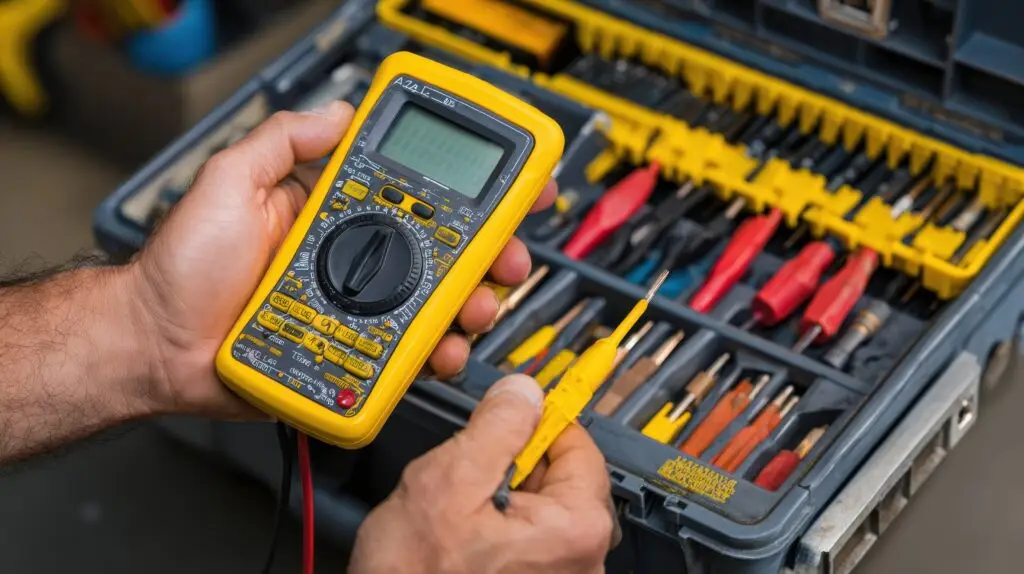
When you rely on a multimeter for electrical measurements, accuracy isn’t optional — it’s everything. A miscalibrated meter can silently corrupt your readings, leading to costly mistakes or even dangerous oversights. Yet calibration drift happens gradually, making it easy to miss until real damage is done. Understanding what throws your multimeter off, and how to catch it early, could save you significant headaches down the line.
What Causes a Multimeter to Fall Out of Calibration?
Multimeters fall out of calibration for several reasons, and understanding them helps you maintain measurement accuracy. Calibration factors like internal component wear gradually alter reference values over time, causing readings to drift beyond acceptable tolerances. Resistors, capacitors, and voltage references all degrade naturally through normal use.
Environmental influences also play a significant role. Exposure to extreme temperatures, humidity, and electromagnetic interference stresses internal components, accelerating inaccuracies. Storing or operating your multimeter outside its rated conditions worsens this effect.
User handling contributes heavily to calibration loss. Dropping your meter, exceeding input limits, or measuring voltages beyond rated ranges can damage protective circuits and internal components.
Regular professional calibration catches these issues before they compromise your measurements.
How Multimeter Calibration Errors Corrupt Your Electrical Readings
When a multimeter drifts out of calibration, it doesn’t just give you slightly wrong numbers—it corrupts your ability to make reliable electrical decisions.
Calibration impact spreads across every function you use, and poor measurement reliability puts equipment and safety at risk. Error sources compound quickly, especially when testing frequency is low.
Uncalibrated multimeters corrupt your work in four critical ways:
- Voltage readings appear within spec while circuits actually run dangerously high or low.
- Resistance measurements mislead fault diagnosis, causing unnecessary component replacements.
- Current readings mask overloads that damage equipment or create fire hazards.
- Cumulative drift means each successive measurement builds on previous inaccuracies.
You can’t trust decisions made with corrupted data—whether you’re troubleshooting, commissioning, or verifying compliance.
Calibration isn’t optional; it’s foundational.
Warning Signs Your Multimeter Calibration Has Drifted
Recognizing calibration drift early can save you from costly mistakes before they compound into bigger problems. Watch for readings that fluctuate without cause, display values inconsistent with known reference points, or measurements that disagree with a second verified instrument. These are clear signals your calibration frequency needs reassessment.
Common mistakes include ignoring testing intervals after dropping, overloading, or exposing your meter to temperature extremes. Each event stresses internal components and alters accuracy. User guidelines typically recommend annual calibration, but demanding environments require shorter cycles.
You should also question your meter when zero readings won’t null correctly, resistance measurements appear inflated, or AC voltage readings seem unstable.
Don’t wait for a failed inspection to act—proactive monitoring between scheduled calibrations keeps your measurements trustworthy and your work defensible.
What NIST Traceable Multimeter Calibration Covers
NIST traceable calibration doesn’t just verify one or two functions—it covers every range and measurement mode your multimeter supports. The certification process tests your instrument against NIST standards to confirm it’s performing within acceptable measurement uncertainty limits.
Here’s what a complete calibration typically covers:
- DC and AC voltage across all ranges
- DC and AC current measurement verification
- Resistance and continuity testing
- Frequency, capacitance, and diode functions
Each measurement point gets documented, giving you a traceable record you can reference for audits or compliance requirements.
Calibration frequency depends on your usage environment and manufacturer recommendations, but annual calibration is common for most applications. You’ll receive a certificate confirming every tested parameter met the required accuracy specifications.
Ensure Multimeter Accuracy with EML Calibration
When your multimeter drifts out of calibration, you’re risking inaccurate readings that can compromise your electrical work and decision-making. You’ve learned what causes calibration drift, how it corrupts your measurements, and the warning signs to watch for. By investing in NIST traceable calibration, you’re ensuring your readings stay reliable and precise. Don’t wait for errors to become costly problems.
EML Calibration provides ISO/IEC 17025:2017 accredited multimeter calibration services for all functions and ranges, including voltage, current, and resistance measurements. With over 25 years of electrical measurement expertise and NIST traceable standards, we deliver comprehensive calibration certificates and fast turnaround times.
Contact us today to schedule your annual multimeter calibration and keep your electrical measurements trustworthy and compliant.