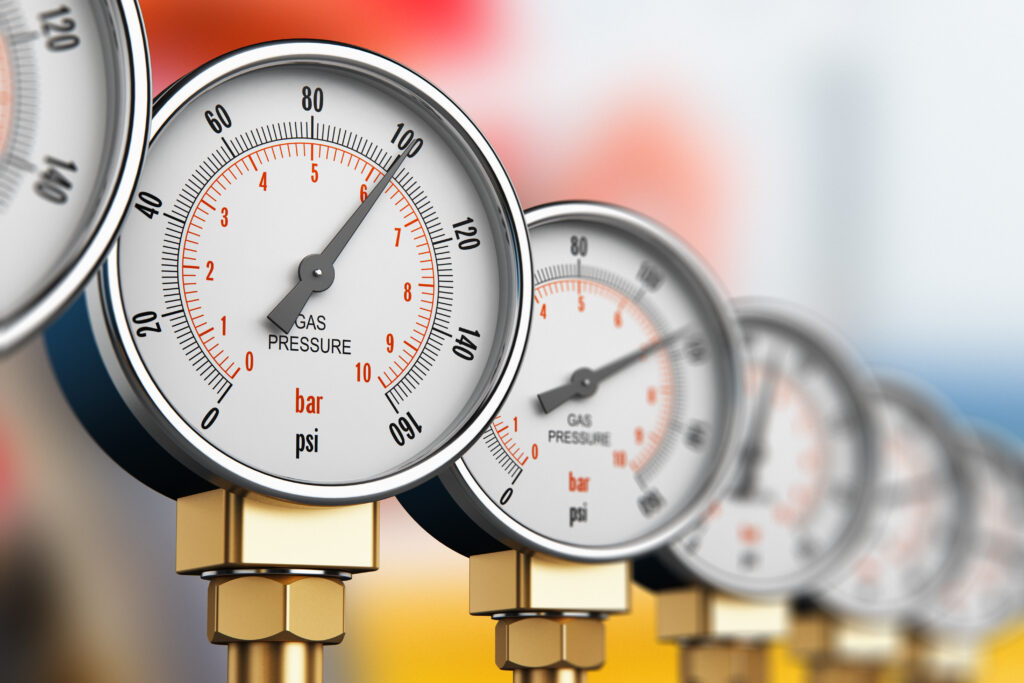
Professional pressure gauge calibration services maintain your measurement accuracy through multi-point testing traceable to national standards, verifying linearity across your operating range. You’ll need regular calibration intervals that balance reliability with costs, while accredited laboratories provide thorough documentation meeting industry specifications. Whether you’re monitoring static pressure, differential readings, or dynamic conditions, contamination, mechanical failures, and environmental effects can compromise accuracy. Understanding proper maintenance strategies, calibration frequencies, and service options guarantees your measurements remain defensible when compliance matters most.
Understanding Pressure Gauge Types and Measurement Technologies
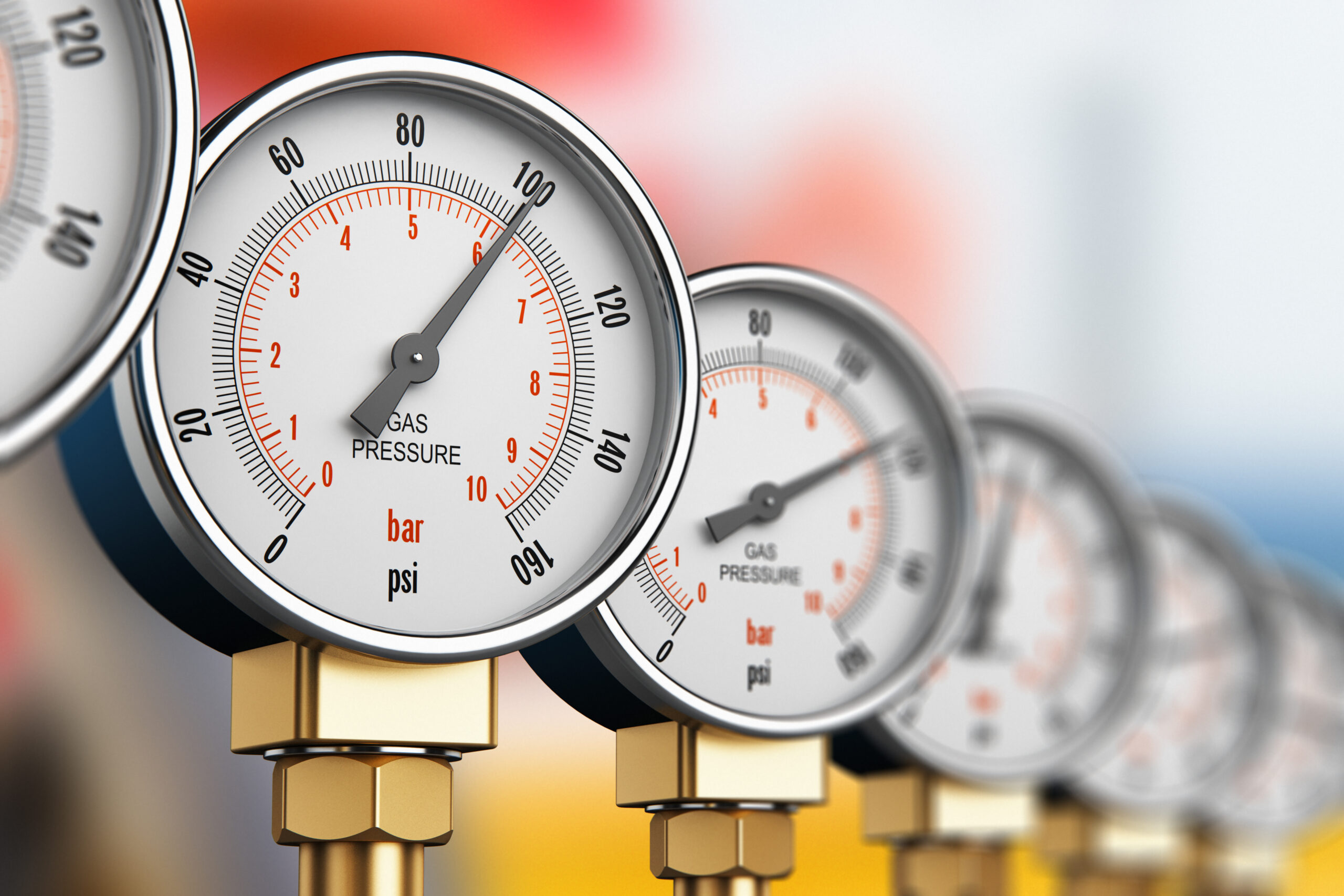
When selecting a pressure gauge for your application, you’ll encounter several fundamental types, each designed with distinct measurement technologies. Understanding these distinctions guarantees you’ll choose the right instrument for accurate measurements.
Gauge pressure measures pressure relative to atmospheric conditions, making it ideal for most industrial applications. Absolute pressure references a perfect vacuum, providing critical data for scientific processes. Differential pressure gauges measure the difference between two pressure points, essential for filter monitoring and flow measurement.
You’ll also need to distinguish between static pressure measurements, which assess fluid at rest, and dynamic pressure readings that capture moving fluid conditions. Each technology—whether mechanical Bourdon tube, diaphragm, or digital transducer—offers specific advantages depending on your accuracy requirements, operating environment, and pressure range.
Industry Standards and Calibration Methodologies
Your calibration process must establish measurement system traceability to national standards, ensuring results are defensible and legally recognized. Multi point testing approaches verify gauge performance across the entire operating range, revealing linearity issues that single-point checks miss.
Effective calibration interval determination balances reliability against operational costs, considering factors like usage frequency and environmental conditions. You’ll need thorough uncertainty budget analysis to assess all error sources, from reference standards to environmental effects.
Understanding sensor failure modes helps you identify degradation patterns before they compromise safety or product quality, protecting your operations from costly measurement errors.
Common Accuracy Issues and Preventive Maintenance Strategies
Even with rigorous calibration protocols in place, pressure gauges face numerous accuracy threats throughout their operational life. Understanding these risks helps you implement effective preventive maintenance strategies.
Key factors affecting gauge accuracy:
- Contamination sources — Dust, moisture, and process media infiltration damage internal mechanisms
- Mechanical failure modes — Worn gears, broken hairsprings, and loose linkages compromise readings
- Environmental effects — Temperature extremes, vibration, and corrosive atmospheres accelerate degradation
- Storage conditions — Improper positioning and climate control cause drift during idle periods
- Calibration frequency — Your application’s criticality determines ideal intervals
You’ll minimize downtime by monitoring performance trends, protecting gauges from harsh conditions, and adhering to manufacturer-recommended maintenance schedules. Regular inspection catches problems before they compromise measurement reliability.
Professional Calibration Services for Every Application
Because measurement accuracy directly impacts product quality, safety, and regulatory compliance, selecting the right calibration partner becomes a critical business decision. You’ll need services that address your industry specific requirements while minimizing unscheduled downtime.
Professional calibration offers significant advantages in comparison to factory calibration. You’ll receive faster turnaround times, on-site capabilities, and thorough documentation that meets your exact specifications. Accredited laboratories provide traceable calibrations across all pressure ranges, from vacuum to high-pressure applications.
Maximizing cost efficiency requires tailored service agreements that harmonize with your operational needs. You can schedule calibrations during planned maintenance windows, reducing production interruptions.
Whether you operate in pharmaceutical manufacturing, oil and gas, or aerospace industries, experienced calibration providers deliver customized solutions that guarantee continuous measurement reliability while maintaining regulatory compliance.
Trust EML Calibration for Your Pressure Gauge Accuracy
You’ve seen how proper calibration protects your operations from measurement drift and compliance failures. Don’t wait until a failed audit or safety incident forces your hand. Partner with certified calibration professionals who’ll guarantee your pressure gauges maintain their accuracy across all ranges. Whether you’re running hydraulic systems or critical process applications, regular calibration isn’t optional—it’s your safeguard against costly errors.
EML Calibration delivers ISO/IEC 17025:2017 accredited pressure gauge calibration services with NIST traceable standards and over 25 years of expertise. We offer both on-site and laboratory calibration options to fit your operational needs. Contact us today to schedule your calibration service and ensure your pressure measurements remain accurate and compliant.